Why does the technical condition of a building affect the profitability of the investment?
Real estate listings on the secondary market often offer significant investment potential. Their attractive location, aesthetic appeal, affordable price, and potential for further expansion or modernization all encourage purchase. When planning an investment, however, it's also worth paying close attention to the building's technical condition. This particularly applies to the quality of:
- real estate construction;
- installations, including electrical;
- building insulation;
- roof tightness.
All of these elements impact the building's operational safety and future operating costs. Defects that are invisible at first glance can generate significant costs early in the investment, both in terms of repairs and ongoing maintenance. A comprehensive technical analysis allows us to determine whether the property's current condition can ensure a sustainable investment, or whether it will pose the risk of costly repairs and modernization.
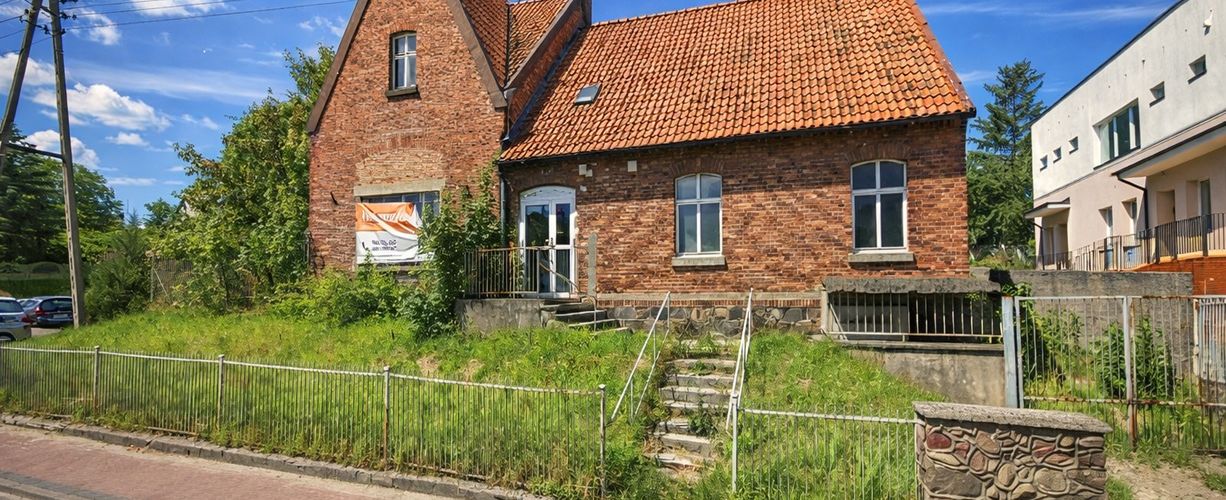
If you're considering buying a property on the secondary market, consider this commercial building in Lublin ( https://www.nieruchomosci.orange.pl/en/szczegoly_ogloszenia/1898/0/T05639 ). It has significant business potential. You can either use it for your current commercial activity or invest in its modernization for future projects.
>> See also: Real estate market – primary or secondary?
How to check the technical condition of a building?
Purchasing real estate is one of the most reliable ways to invest capital, but it always requires a strategic approach. It's important to consider the project from a multi-faceted perspective – this will help you choose the right building with the greatest potential.
What should you pay attention to when purchasing a building?
When assessing profits and losses, a building condition analysis will be invaluable. However, for it to be effective for your business, it should be performed step by step and methodically. Here are its key elements.
1. Analysis of technical and legal documentation
It's best to begin assessing the technical condition of a building with a thorough analysis of the technical and legal documentation. It's important to check, among other things:
- construction project;
- permits, e.g. for construction;
- technical inspection reports;
- documentation of building installations;
- land and mortgage register, in particular its sections II, III and IV - to verify the legal status of the object.
Information about renovations and modernizations is also crucial. It allows us to assess whether the building has been properly maintained over the years. Such analysis helps reduce formal and technical risks and detect potential problems early, which could impact investment costs.
2. Detailed inspection of the building
The next step in a property assessment should be a detailed inspection of the building, which will allow for verification of its actual technical condition. It's worth checking, among other things, the condition of:
- construction;
- facade, including any traces of moisture, cracks or leaks;
- roof;
- window joinery;
- electrical and water and sewage installations.
Such a comprehensive analysis is best performed with the assistance of a specialist, such as a civil engineer, property appraiser, or building inspector. These specialists can identify defects that are invisible to those without technical experience.
3. Estimation of the costs of possible works
After conducting an inspection, it's worth estimating the cost of necessary renovations and upgrades, which could impact the profitability of the investment. Consider both ongoing repairs and potential expenses related to replacing utilities, renovating the roof, or improving the building's energy efficiency. A preliminary cost estimate allows for a better assessment of the property's true value and prepares for purchase price negotiations.
Only after analyzing all these elements should it be worth negotiating the purchase terms. This structured approach allows for reducing investment risk, better assessing the property's true value, and making decisions based on the building's actual technical condition.
Technical condition of the building - summary of information
Buying real estate shouldn't be based solely on emotions, an attractive price, or the visual appeal of the property. A well-conducted assessment of the building's technical condition allows for a realistic look at the investment and an informed assessment of its true value. Such risk management is crucial to the investment's success.